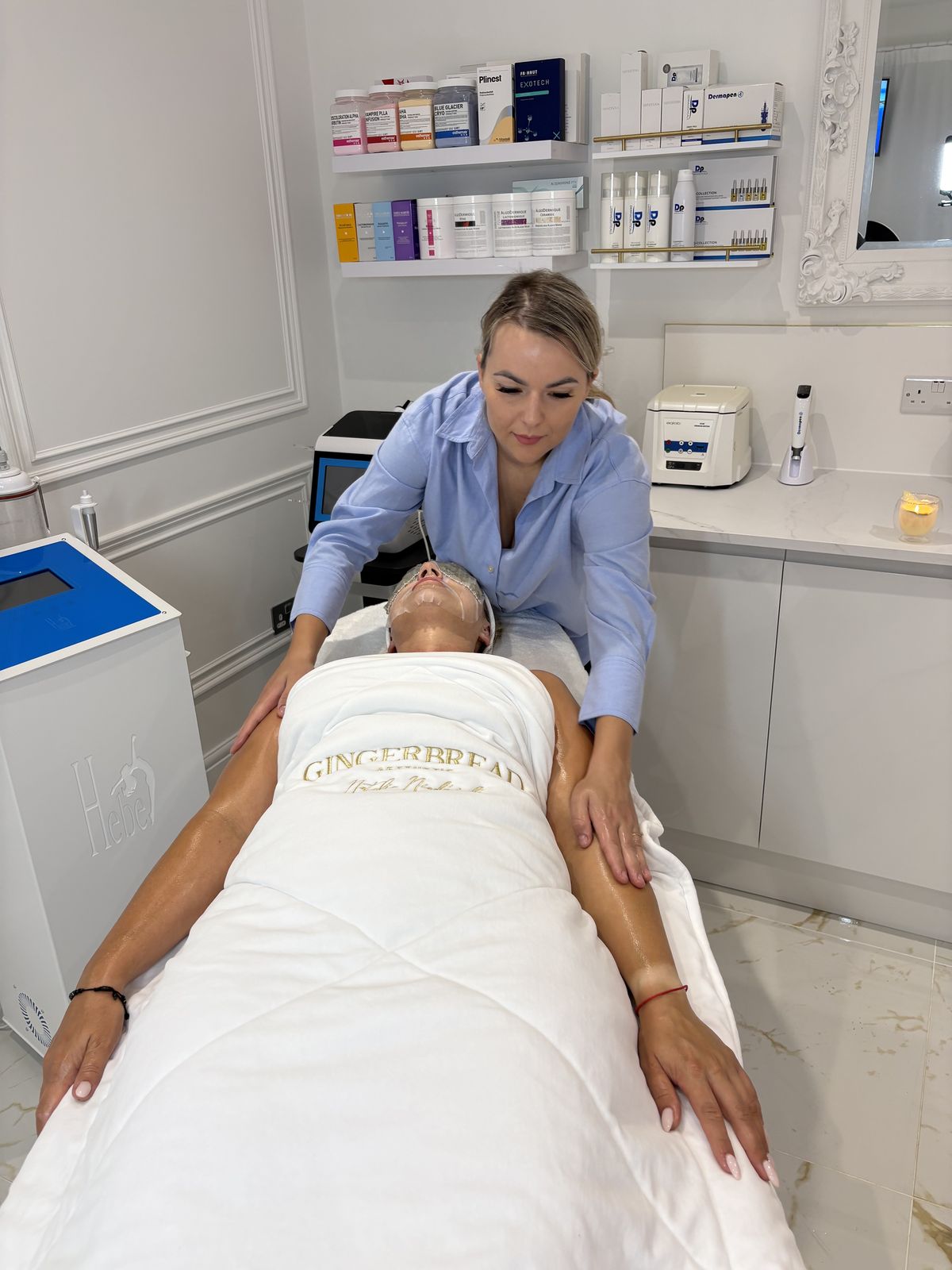
Prevention is easier, and more effective, than correction. Waiting for deep wrinkles and sagging to appear before doing anything usually means needing more invasive treatments later. Preventative microneedling is our answer to that — a way to slow the visible signs of ageing down, rather than only reacting to them.
Why start early?
From around age 25, the body's natural production of collagen and elastin — the proteins that keep skin plump, firm and elastic — begins to decline by roughly 1–1.5% a year. At first this is invisible. Over time it shows up as a gradual loss of skin density and bounce, fine superficial lines, and a duller, slower-healing complexion.
How microneedling helps
Microneedling uses ultra-fine, sterile needles to create thousands of microscopic, controlled micro-channels in the skin's surface. This triggers a natural healing cascade without damaging the outer layer of skin:
- It signals fibroblasts to produce fresh collagen and elastin, plumping the skin from within.
- It speeds up cellular turnover, which naturally slows with age, bringing fresher skin to the surface.
- The micro-channels temporarily allow your skincare actives — hyaluronic acid, antioxidants, peptides — to penetrate more deeply, making your home routine more effective too.
When should you start?
Microneedling works at any age, but the ideal window to start a preventative routine is your mid-20s to early 30s, when your skin's regenerative capacity is still highly active — meaning you'll get strong results with fewer sessions. Typically, a course of 3–4 sessions spaced 4–6 weeks apart, once or twice a year, is enough to help keep skin looking firm, smooth and even.